
Natural infrastructure: How trees help tackle flooding, pollution and rising temperatures
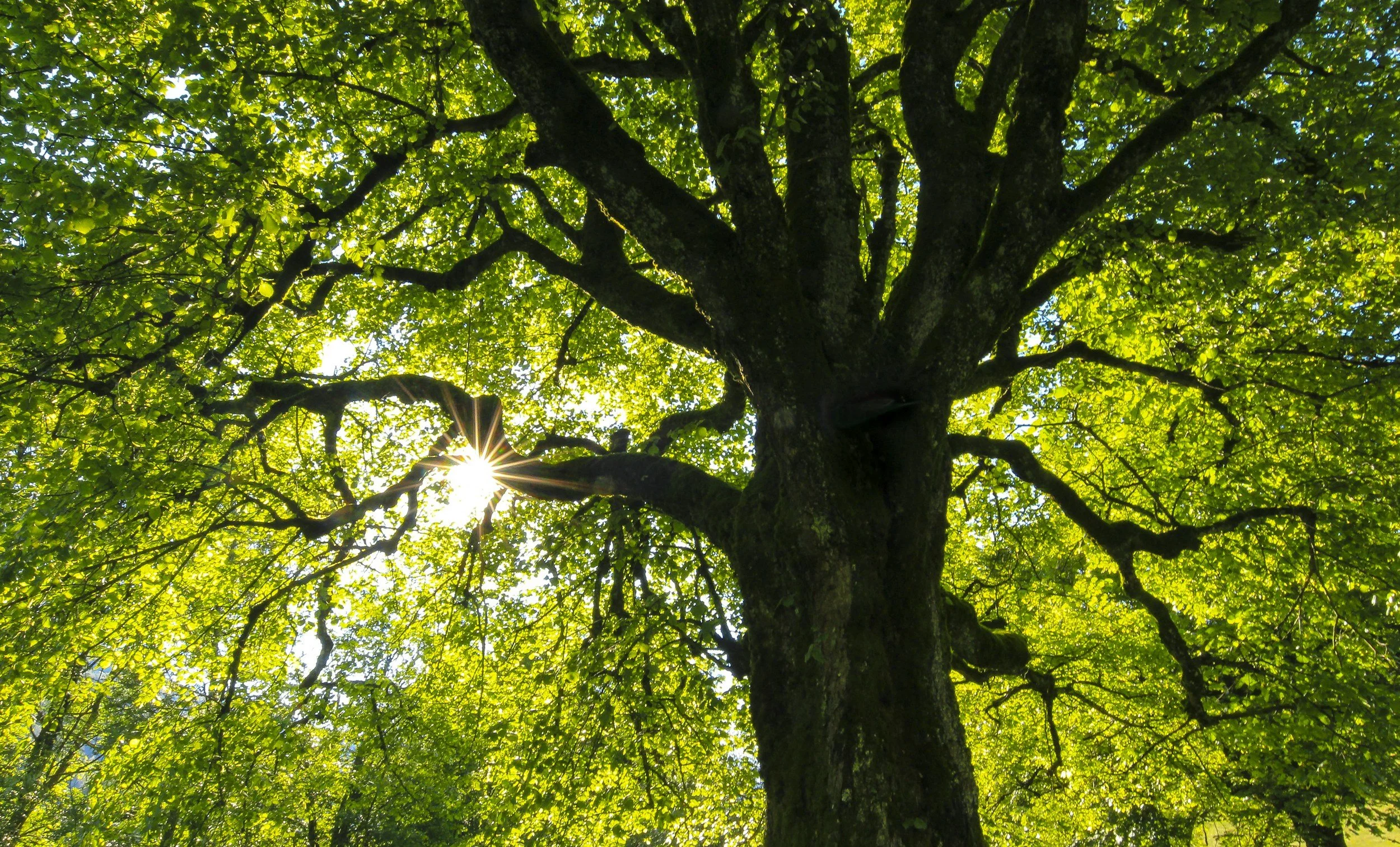
Source: Jan Huber / Unsplash
Every tree you sponsor helps establish woodlands that support wildlife, improve local ecosystems and provide lasting benefits for communities. Your support also enables 9Trees CIC to plant, care for and monitor these landscapes as they become established.
Trees are valued for their beauty and the habitats they provide; however, they also perform essential functions that make our environment more resilient, slowing rainfall before it reaches the ground, improving how soils absorb and store water, filtering pollutants from runoff and reducing temperatures during extreme heat. Together, these natural processes protect rivers, support biodiversity and create healthier places for people to live.
Trees are increasingly recognised as climate infrastructure; as heavier rainfall, flooding, drought and heatwaves become more common, the benefits they provide are becoming more important for communities across the UK. Understanding how trees influence water, wildlife and wellbeing also highlights why planting the right trees in the right places is such a valuable long-term investment.
Supporting 9Trees CIC helps make that work possible: every sponsored tree contributes to the creation and care of woodlands that will continue to deliver environmental benefits for decades to come.
What does ‘natural infrastructure’ mean?
When we think of water-based infrastructure, we typically imagine human-built structures, such as roads, drainage networks, dams, reservoirs and flood defences. However, natural systems can also support communities, economies and ecosystems, making nature-based solutions valuable components of climate-resilient flood protection.
Natural infrastructure, also called green infrastructure, harnesses natural processes to provide infrastructure services. As with conventional infrastructure, it requires planning, investment and ongoing management, including maintenance, monitoring and long-term stewardship.
One example is natural flood management (NFM), a conceptual approach that attempts to mitigate flood risk by restoring or mimicking the functions of rivers, floodplains and wider catchments, serving as a means of storing water and slowing its movement into rivers.
Trees and woodlands can support this approach through rainfall interception, root growth, soil improvement, carbon storage and habitat creation. In addition to managing water, they can improve soil health, support biodiversity and regulate local temperatures.
These benefits are increasingly relevant as landscapes face heavier rainfall, hotter summers, drought and biodiversity loss. A warmer atmosphere can hold more water vapour, increasing the likelihood and intensity of some extreme rainfall events, while changing weather patterns place additional pressure on ecosystems.
However, trees cannot replace all built infrastructure or resolve these pressures alone. Their effectiveness depends on where, how and why they are established, with soil type, existing habitats, topography, drainage and species selection all influencing what a woodland achieves. Ultimately, trees work best as part of a wider network of natural and built measures designed to create more resilient landscapes.
Nonetheless, understanding both their potential and their limitations provides a starting point for exploring how woodlands can manage flooding, improve water quality, reduce heat and support biodiversity.
Trees and flooding: How canopies, roots, and soils work together
Woodland vegetation and soils influence how rainfall moves through a landscape. Tree canopies intercept rainfall, allowing some water to evaporate or reach the ground more gradually. On the woodland floor, leaf litter can slow overland flow, influencing soil water balance and reducing erosion, particularly during intense rainfall.
Meanwhile, below ground, tree roots improve soil structure, creating channels that increase infiltration and affect how water moves through the soil. These processes can slow runoff and help retain water within a catchment. Woodland has also been associated with reducing peak flows into rivers and streams, particularly when planting complements other NFM measures.
However, contributing to flood management is not the same as preventing flooding. Trees cannot prevent floods on their own, and their effectiveness depends on soil type, topography, land use, woodland characteristics and rainfall intensity. During intense rainfall, soils can become saturated, limiting further infiltration. Woodland is therefore most useful as part of catchment-wide NFM, alongside other measures and engineered defences where needed.
NFM commonly combines interventions across the landscape. Alongside native tree planting and woodland or hedgerow restoration, urban measures can include bioswales, vegetated swales, rain gardens and bioretention. Wider catchment measures include wetland restoration and creation, river and stream restoration, floodplain restoration, peatland restoration and riparian buffer zones.
Other land management measures also influence how rainfall is retained and transported. Agroforestry and improved agricultural soil management can support healthier soils, while ponds and natural flood-storage areas can temporarily hold water. Grassland, meadow and habitat restoration can also support catchment health.
Trees are vital to NFM, but cannot solve flooding alone. Natural measures complement engineered defences, particularly during extreme events. Together, they manage water across a catchment, while woodland benefits soils, wildlife and local climates. For 9Trees, how many trees are planted is just as critical as where they can best support a resilient landscape.
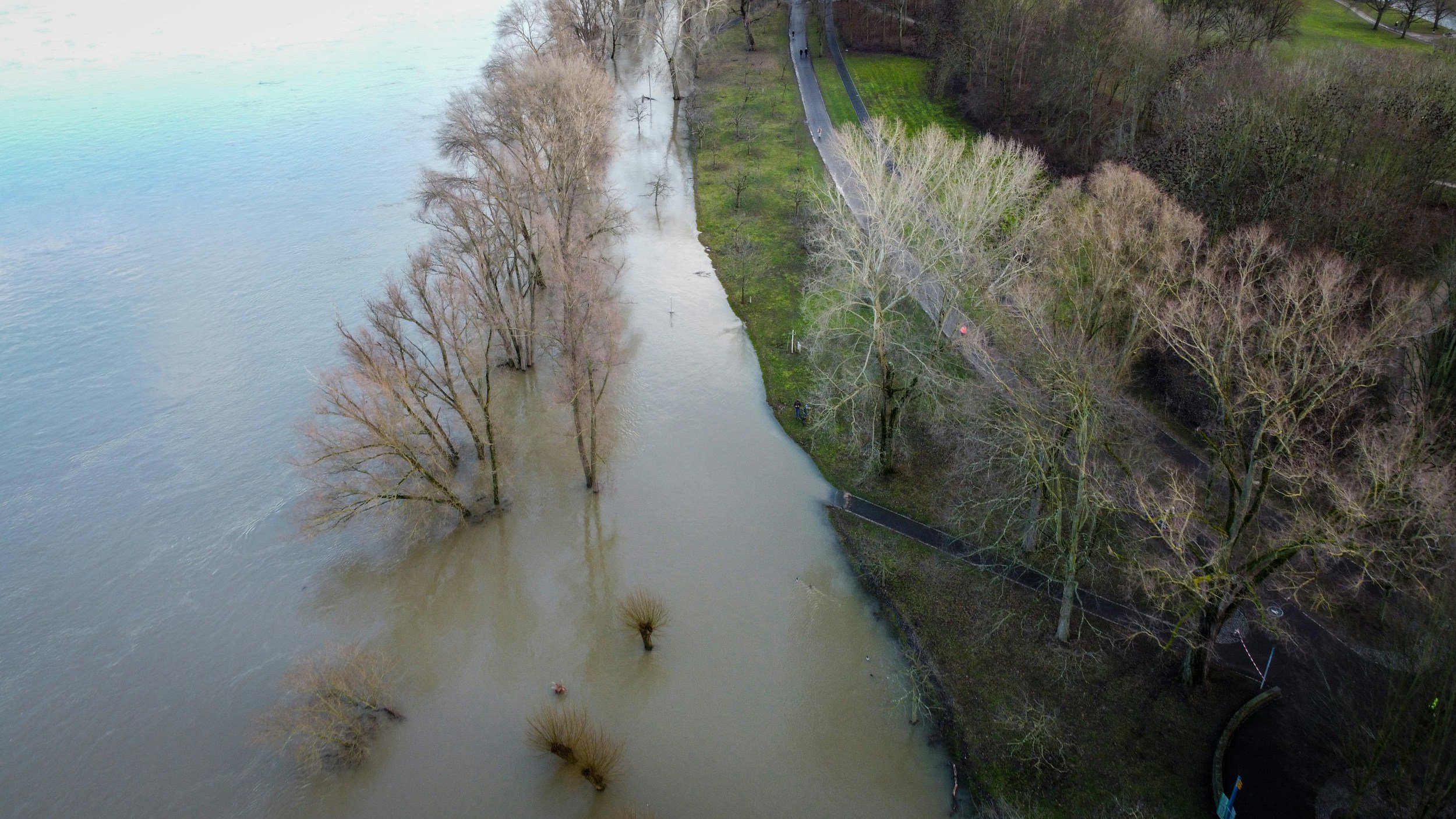
Source: Matthew @sir_jarvis / Unsplash
Trees and water quality: Filtering runoff and reducing pollution
Rainfall can carry sediment, fertilisers and other pollutants from roads, fields and other surfaces into drainage networks and watercourses. Then, sediment can cloud water and settle on riverbeds, while excess nutrients and other contaminants put pressure on aquatic ecosystems.
Woodland can intercept some pollutants before they reach rivers and streams. Tree roots and woodland soils can trap sediment, while vegetation slows runoff, reduces erosion and allows more water to infiltrate the soil. When established alongside rivers, riparian woodland can act as a natural buffer between surrounding land and watercourses.
These processes can benefit aquatic plants, insects, fish and other wildlife by supporting healthier river systems. Cleaner water also contributes to the condition of catchments and water resources used by communities. However, the effectiveness of woodland depends on its location, soil conditions, vegetation structure and the type and concentration of pollutants. Riparian planting can intercept some pollutants, but cannot replace measures that address pollution at its source.
Woodland is ultimately simply one big part of a broader approach to water quality. Agricultural soil management, pollution prevention, healthy river corridors, wetland restoration and runoff management in developed areas can all contribute. Well-planned woodland can complement these measures by reducing erosion, slowing runoff and providing a buffer between land and water.
For 9Trees, the priority is to identify where woodland can contribute most effectively within the wider catchment. Planting trees beside a river does not automatically improve water quality; appropriate siting and management help woodland contribute to healthier soils, cleaner waterways and more resilient habitats over time.
Trees and heat: Shade, evapotranspiration and urban cooling
As temperatures rise and drought places greater pressure on landscapes, trees can moderate local temperatures. Urban areas often become warmer than surrounding rural areas because buildings, roads and other hard surfaces absorb and retain heat. Vegetation can counter this through shade and evapotranspiration.
The evapotranspiration (ECoV) and shading (SCoV) cooling effects of urban vegetation mitigate the urban heat island effect and reduce heat exposure risks. Tree canopies block incoming solar radiation, reducing the heat absorbed by surfaces beneath them. Research has examined how tree cover can lower both ground and air temperatures, creating cooler conditions in streets, parks and other built-up spaces.
Trees also cool their surroundings through evapotranspiration. Plants release absorbed water into the atmosphere through transpiration, while evaporation from surrounding surfaces also transfers heat. Together, these processes complement canopy shade and influence both surface temperatures and the conditions people experience nearby.
At the scale of towns and cities, urban trees can help reduce the urban heat island effect, in which built-up areas become warmer than less developed surroundings. Cooler streets, parks and public spaces can improve conditions for people, wildlife and local businesses during hot weather. Tree cover also provides habitat and contributes to connected urban green spaces.
However, tree cooling depends partly on water availability. During prolonged drought, soil moisture can become scarce, causing trees to reduce transpiration in response to water stress. Cooling capacity ultimately varies with water supply, soil conditions, weather and plant characteristics.
Climate adaptation through tree planting consequently requires something beyond just increasing canopy cover. Species selection, soil condition, rooting space and water availability all affect tree establishment and cooling performance. In urban areas, planting location also matters: the position and eventual spread of a canopy determine which people and heat-absorbing surfaces receive shade.
Trees offer a valuable form of natural cooling, but their benefits depend on suitable planning and long-term establishment. Well-sited vegetation can combine shade, evapotranspiration and habitat provision as part of a wider response to rising temperatures. Considering local conditions and water availability alongside canopy cover keeps expectations about urban cooling grounded in how trees function.
Why these same processes benefit biodiversity
Woodland benefits extend beyond water management and temperature regulation. Trees provide food, shelter and nesting sites, while soils, leaf litter, deadwood and surrounding vegetation create additional habitats. Birds, insects, mammals and fungi all contribute to the interconnected ecosystems that woodland supports.
These relationships go beyond individual species using trees for shelter. Trees form mutualistic relationships with other organisms: mycorrhizal fungi exchange nutrients with tree roots, insects pollinate plants, and birds and mammals disperse or cache seeds. These interactions support woodland regeneration and ecological functioning over time.
Woodland can also benefit wildlife across the wider landscape. Where habitats are fragmented, connected areas of vegetation can help species move between suitable places to feed, shelter and breed. Native trees can support hundreds of associated species, although the range depends on tree species, woodland age and structure and surrounding habitats.
Connectivity can become increasingly valuable as climatic conditions change, giving some species greater opportunities to reach suitable habitats. Diverse ecosystems also contain a breadth of organisms performing different ecological functions, contributing to resilience as environmental pressures increase. These benefits depend on habitat quality and the needs of the species concerned.
However, planting trees does not automatically increase biodiversity; existing grasslands, heathlands and wetlands can already support valuable wildlife, so replacing them with woodland could damage habitats suited to species adapted to open conditions. So, assessing existing biodiversity before planting becomes essential.
The objective is to establish or restore the right habitat in the right place. In some locations, woodland can reconnect fragmented habitats and create valuable ecosystems; in others, protecting or restoring existing habitats could deliver greater ecological benefits. Overarchingly, decisions should account for site conditions, landscape connectivity and existing ecological value.
For 9Trees, this means prioritising healthy, appropriately located woodland that can develop into functioning habitat over time. Considering native species, habitat connections and the ecology of each site allows tree planting to contribute to biodiversity as part of a broader landscape strategy.

Source: David Vig @davidvig / Unsplash
Why this matters now: More intense rainfall, hotter summers and growing pressure on ecosystems
As climate conditions change, more intense rainfall can put greater pressure on soils, rivers and drainage systems, as hotter summers and drought can stress vegetation, wildlife and communities. These pressures interact, with soil condition, water availability and habitat connectivity influencing how well landscapes respond to extreme weather.
There is no single solution that works equally well in every landscape. Research into nature-based flood protection highlights that no single nature-based flood defence design is universally superior. Effectiveness depends on location, local conditions, design and the combination of measures used. Woodland can serve several functions, but its contribution depends on where trees are established and how they are managed.
Well-planned woodland can address several pressures at once: trees intercept rainfall, influence soil structure, reduce erosion, provide shade, support biodiversity and store carbon. These functions connect the challenges discussed throughout this article, from flood risk and water quality to rising temperatures and habitat loss.
However, tree planting cannot resolve climate change on its own. Large-scale carbon removal through afforestation would require substantial land, as the challenges ahead demand action beyond woodland creation. Reducing emissions, protecting existing ecosystems and adapting communities to changing conditions remain essential parts of the wider response.
To be clear, this does not diminish the value of trees. Appropriately located woodland can combine carbon storage with wildlife habitat, soil protection, water management and local cooling. Protecting existing trees preserves established ecological functions, while carefully planned new woodland can add benefits where site conditions are suitable.
Woodland also develops over years and decades, so decisions made today can influence how landscapes function well into the future. Establishment, management and monitoring all contribute to the long-term value of these natural assets.
The wider objective is to strengthen landscape resilience. Trees cannot eliminate every risk associated with heavier rainfall, rising temperatures, drought or biodiversity loss, but they can complement other natural and built measures. Protecting existing woodland and establishing new trees in appropriate locations can support healthier ecosystems, more resilient landscapes and communities better equipped to adapt to changing conditions.
How supporting 9Trees CIC helps create landscapes that provide these services
Throughout this article, trees have been considered through three connected themes: water, wildlife and biodiversity. Woodland can intercept rainfall, support soil infiltration, reduce erosion and manage runoff, all while providing food, shelter and connections between habitats. Trees also offer shade and local cooling, with spending time in woodland often associated with benefits for mental and physical wellbeing.
Research into forest bathing has also examined the potential role of phytoncides (volatile compounds released by trees) in physiological responses associated with stress and immune function. However, the specific contribution of these compounds to human health remains an active area of research. These findings offer a further reason to value access to woodland, alongside its established ecological functions.
These benefits are connected: healthy soils influence how water moves through a catchment, woodland can provide habitat while protecting soils and tree cover can cool places exposed to high temperatures. Well-planned woodland can provide several ecosystem services at once, with its effectiveness depending on local conditions, appropriate species, site selection and long-term management.
Supporting 9Trees CIC helps fund the planting, establishment and care of woodlands designed to provide lasting ecological benefits. As trees grow and habitats develop, suitable sites can support wildlife, contribute to water management and soil protection, store carbon and provide local cooling.
Ultimately, the case for planting trees rests on what woodland can realistically achieve. Trees cannot solve flooding, biodiversity loss or climate change on their own, but appropriately planned woodland can form a valuable part of more resilient landscapes. Protecting existing trees and establishing new woodland in suitable locations can deliver interconnected benefits for nature and people over years and decades.
FAQs
Can trees replace traditional flood defences?
No. Trees and woodland form part of natural flood management, complementing measures such as flood barriers, drainage infrastructure and other engineered defences. Their effectiveness depends on planting location, soil, topography, rainfall intensity and catchment characteristics.
Does planting trees automatically increase biodiversity?
Not necessarily. Existing habitats can already have significant ecological value, so sites need to be assessed before planting. Appropriate species, varied habitats and suitable locations can help woodland creation support wider biodiversity objectives.
Can trees solve climate change?
No single intervention can solve climate change. Trees can deliver several benefits simultaneously, including carbon storage, habitat creation, water management, soil protection and local cooling. Their contribution is best considered within a broader strategy for climate mitigation, adaptation and conservation.
Do planted trees provide these benefits immediately?
Some benefits begin early, while others develop as trees mature and woodland habitats become established. Appropriate establishment, maintenance and monitoring help support tree survival and the development of woodland's ecological functions over time.
Trees provide valuable ecosystem services, but their benefits depend on appropriate species, location, site conditions and management. 9Trees recognises that trees are not a standalone solution; well-planned and managed woodland can form a valuable part of resilient landscapes, supporting water management, wildlife and wellbeing over the long term.